

Few landscapes in the United States rival Washington State’s dramatic blend of mountains, forests, and rivers — and its waterfalls capture that natural splendor perfectly. From towering cascades surrounded by misty evergreens to secluded forest gems tucked deep within national parks, Washington offers countless opportunities to experience the raw power and serenity of falling water.
1. Snoqualmie Falls
Location: Snoqualmie, King County
Height: 268 feet
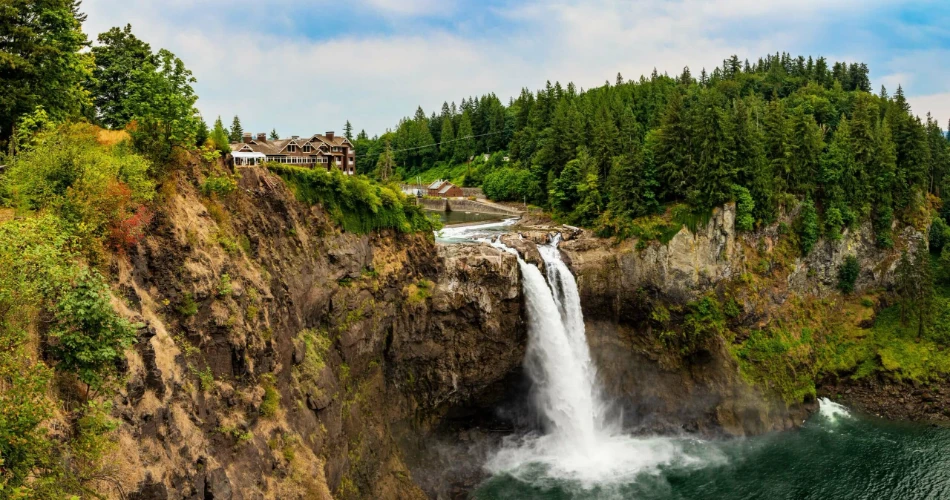
Snoqualmie Falls stands as one of the most iconic landmarks in Washington — a thundering waterfall plunging dramatically into a misty gorge just 30 miles east of Seattle. Easily accessible via a short path from the parking area, the viewing decks offer a perfect vantage point for capturing its power, especially at sunrise or sunset when the light glows against the spray.
The nearby Snoqualmie Falls Park features picnic areas, interpretive signs, and a luxurious lodge overlooking the falls. It’s a must-see stop for first-time visitors and photographers seeking a quintessential Pacific Northwest scene.
2. Palouse Falls
Location: Palouse Falls State Park, southeastern Washington
Height: 198 feet
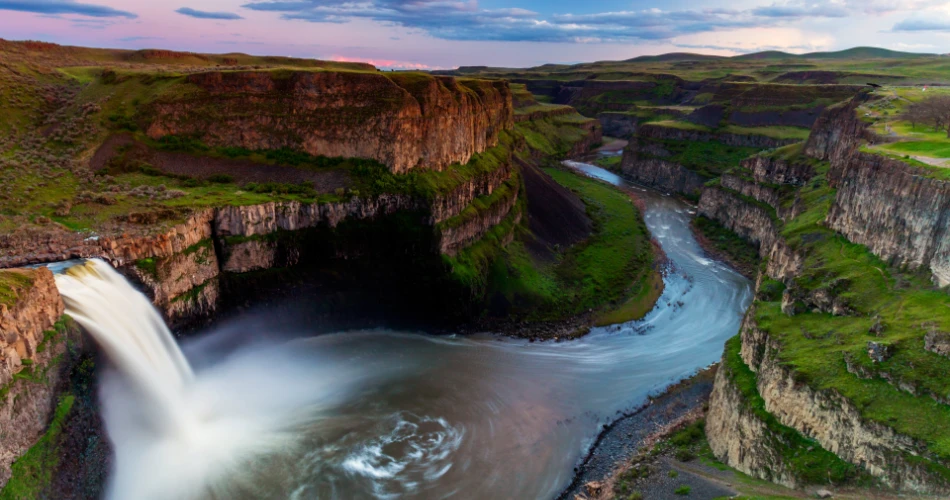
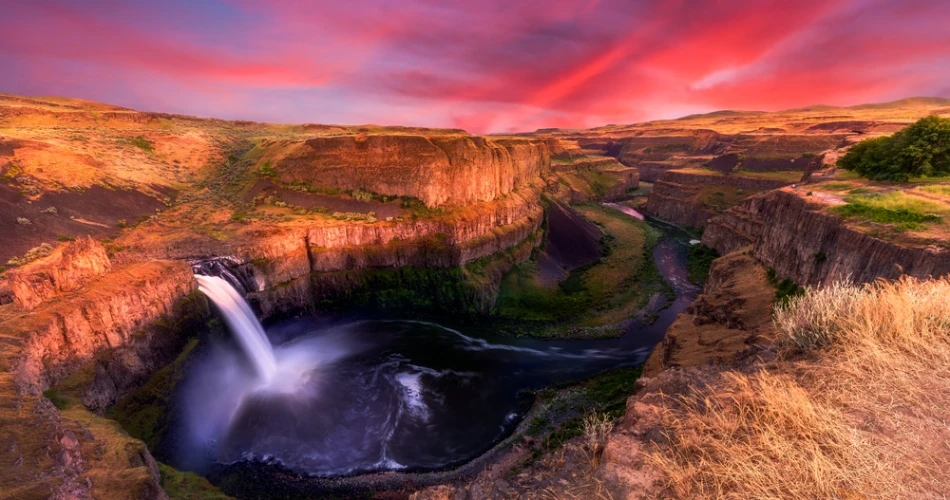
Often referred to as Washington’s official state waterfall, Palouse Falls delivers one of the most striking landscapes in the Pacific Northwest. Carved into basalt canyons by Ice Age floods, this desert waterfall crashes into a deep pool framed by rugged cliffs and golden plateaus.
The park offers several viewing platforms, short trails, and picnic spots. The area is particularly captivating during spring when the surrounding terrain is lush and the river runs high. As one of the last active waterfalls remaining from the Ice Age floods, it’s both a geological marvel and a photographer’s dream.
3. Wallace Falls
Location: Wallace Falls State Park, near Gold Bar
Height: 265 feet
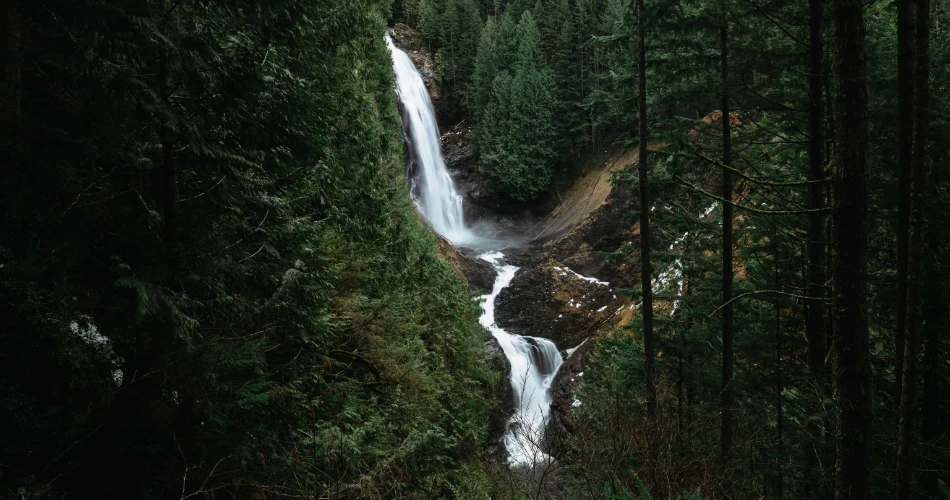
For those who enjoy hiking, Wallace Falls offers one of the most rewarding waterfall treks in the state. The 5.6-mile round-trip trail winds through old-growth forests, alongside rivers, and up to three major viewpoints: the Lower, Middle, and Upper Falls.
The Middle Falls is particularly impressive, cascading in multiple tiers into a dramatic gorge. With well-marked trails and picnic areas, this park attracts both serious hikers and families looking for an active outdoor day trip.
4. Sol Duc Falls
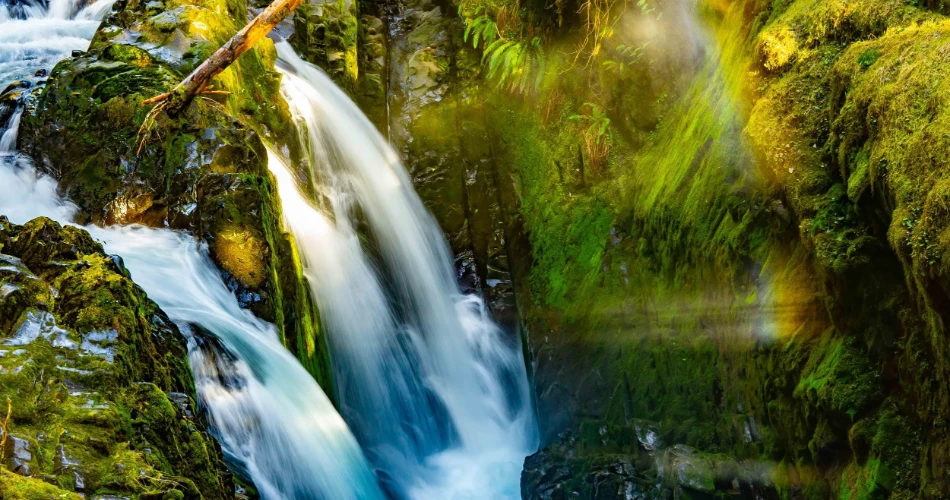
Location: Olympic National Park
Height: 48 feet
Though smaller in size, Sol Duc Falls is a masterpiece of rainforest beauty. Located deep within Olympic National Park, the falls tumble gracefully into a narrow canyon surrounded by moss-draped trees and ferns.
The short, 1.6-mile round-trip hike from the Sol Duc Hot Springs Resort makes it an easy and scenic outing. Visit after rainfall for the most dramatic flow, and stay to explore nearby trails or relax in the natural hot springs for a complete nature retreat.
5. Twin Falls
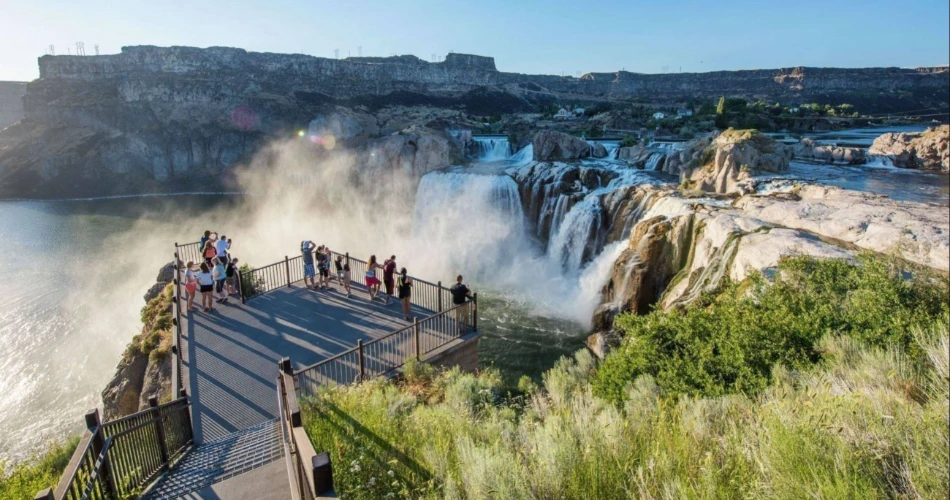
Location: Olallie State Park, near North Bend
Height: 135 feet
Easily accessible from Interstate 90, Twin Falls is a local favorite for its short, family-friendly trail and captivating beauty. The 2.6-mile round-trip hike follows the South Fork of the Snoqualmie River, crossing wooden bridges and viewpoints that showcase the twin cascades as they plunge into a rocky gorge.
It’s a peaceful escape only a short drive from Seattle — ideal for weekend hikers or anyone wanting a quick immersion in nature.
6. Panther Creek Falls
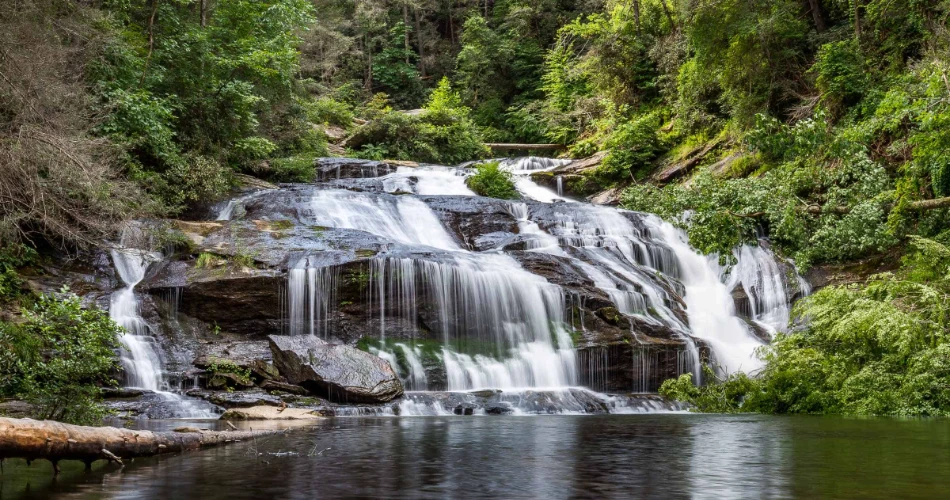
Location: Gifford Pinchot National Forest, near Carson
Height: 130 feet
Panther Creek Falls is one of Washington’s best-kept secrets. Hidden in the forests of the Columbia River Gorge, the falls fan out beautifully over moss-covered rock, creating a delicate yet powerful cascade.
A short but steep trail leads to a viewing platform that offers an unobstructed look at the entire waterfall. The secluded location makes it perfect for those seeking solitude and breathtaking photography opportunities.
7. Marymere Falls
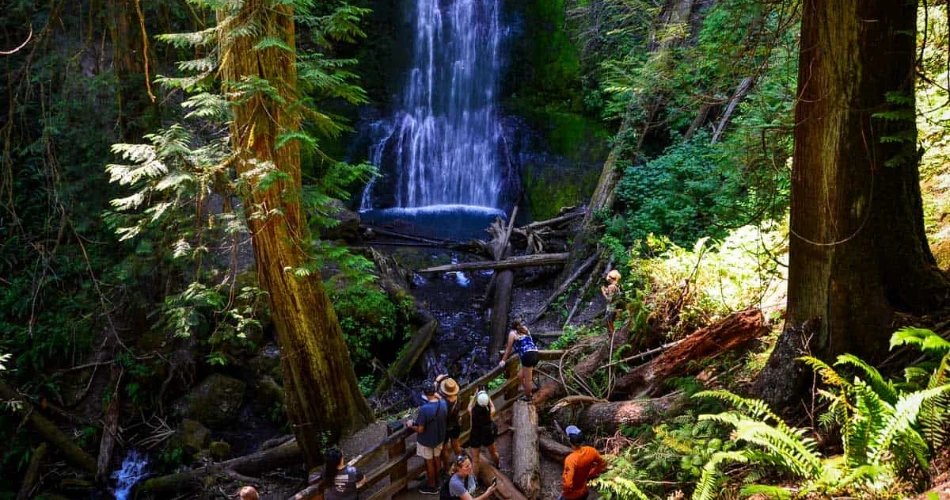
Location: Near Lake Crescent, Olympic National Park
Height: 90 feet
Located in one of the most scenic areas of Olympic National Park, Marymere Falls is a tranquil escape framed by towering evergreens and mossy bridges. The 1.8-mile round-trip hike begins at Lake Crescent Lodge and winds through fern-filled woods to a viewpoint overlooking the falls.
It’s a perfect stop for travelers exploring the Olympic Peninsula, offering a mix of easy hiking and serene natural beauty.
8. Narada Falls
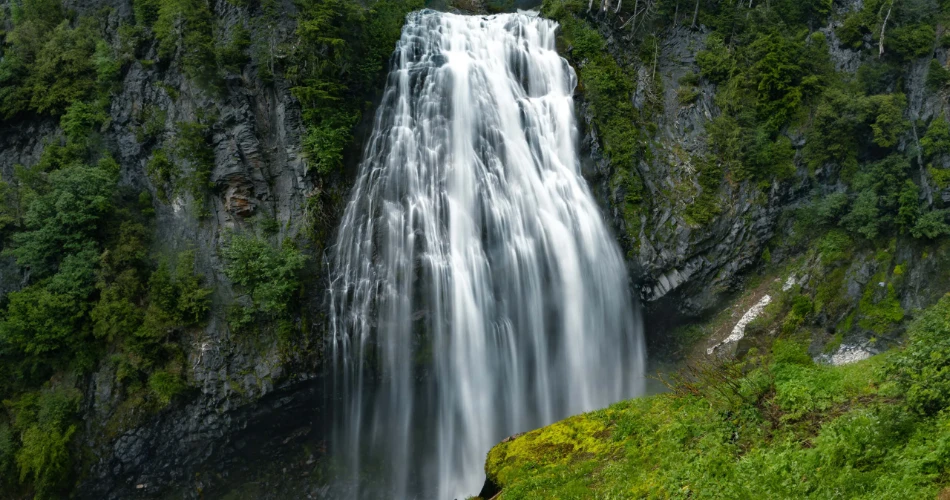
Location: Mount Rainier National Park
Height: 188 feet
Narada Falls is one of Mount Rainier’s most visited natural wonders — and for good reason. The 188-foot cascade drops in a broad curtain of white mist that often produces rainbows on sunny days.
The falls are easily accessible from the main park road, and the short trail down to the viewpoint is open year-round. In winter, the frozen waterfall becomes a stunning display of ice and snow, making it one of Washington’s most photogenic seasonal spots.
9. Franklin Falls
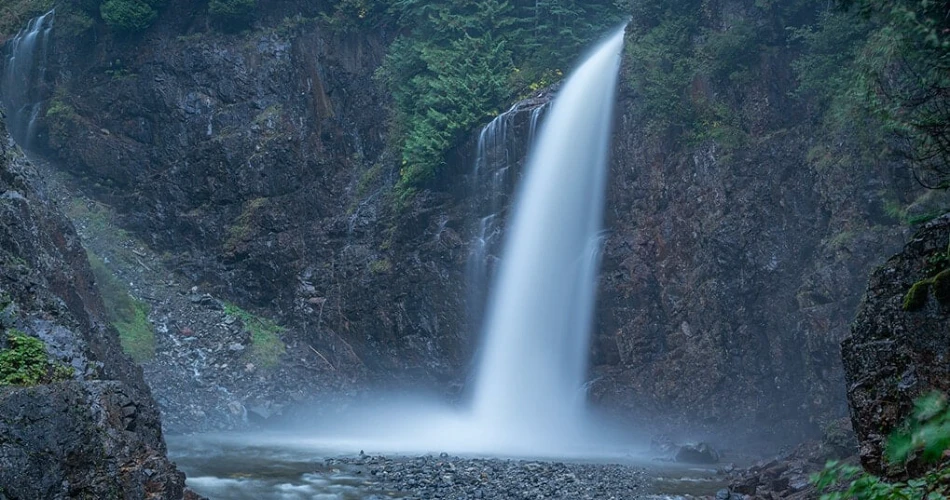
Location: Snoqualmie Pass
Height: 70 feet
Franklin Falls offers a rewarding, easy hike suitable for all ages. The 2-mile trail follows the river through scenic forest before revealing the powerful waterfall — especially impressive in winter when it freezes into glistening ice formations.
This waterfall is perfect for beginner hikers or families seeking a manageable yet picturesque outdoor adventure.
10. Silver Falls (Ohanapecosh)
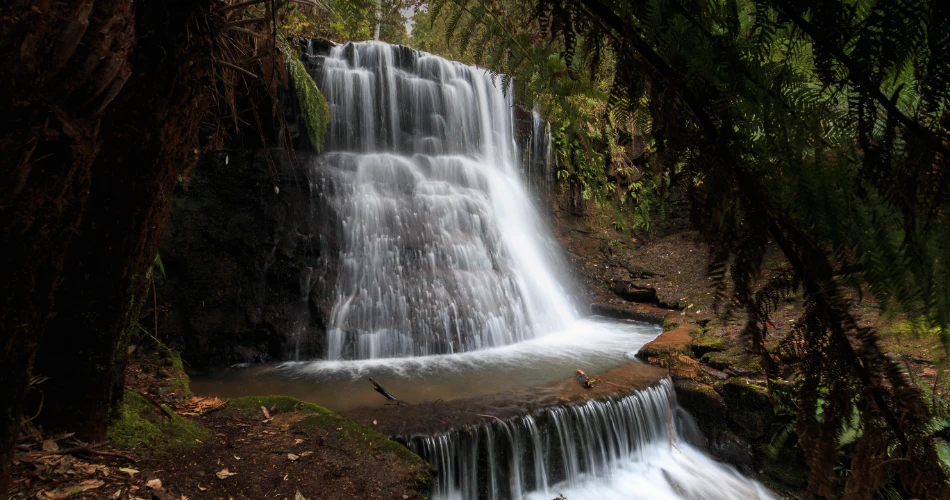
Location: Mount Rainier National Park
Height: 95 feet
Silver Falls, nestled in the Ohanapecosh area of Mount Rainier National Park, is surrounded by pristine turquoise pools and dense forest. The 3-mile loop trail takes visitors past multiple viewpoints where you can admire the falls from above and below.
It’s a quieter, less-crowded alternative to the park’s larger attractions, ideal for those who appreciate serenity and scenic beauty.
Planning Your Waterfall Adventure in Washington
Washington’s diverse geography means its waterfalls can be enjoyed year-round, though spring and early summer offer the strongest flows. Here are a few tips to make your trip memorable:
✓ Visit in spring or early summer — snowmelt feeds the falls, creating powerful cascades.
✓ Pack waterproof gear — mist and rain are common near major waterfalls.
✓ Bring a camera or tripod — long-exposure shots capture the smooth, silky flow.
✓ Respect the environment — stay on marked trails to protect vegetation and prevent erosion.
✓ Check weather and trail conditions — mountain weather can change quickly.
From the iconic Snoqualmie Falls to the secluded beauty of Panther Creek, Washington’s waterfalls reflect the state’s unmatched natural diversity. Each one offers something different — the thunder of a canyon drop, the whisper of a rainforest stream, or the peaceful rhythm of falling water echoing through evergreens.